

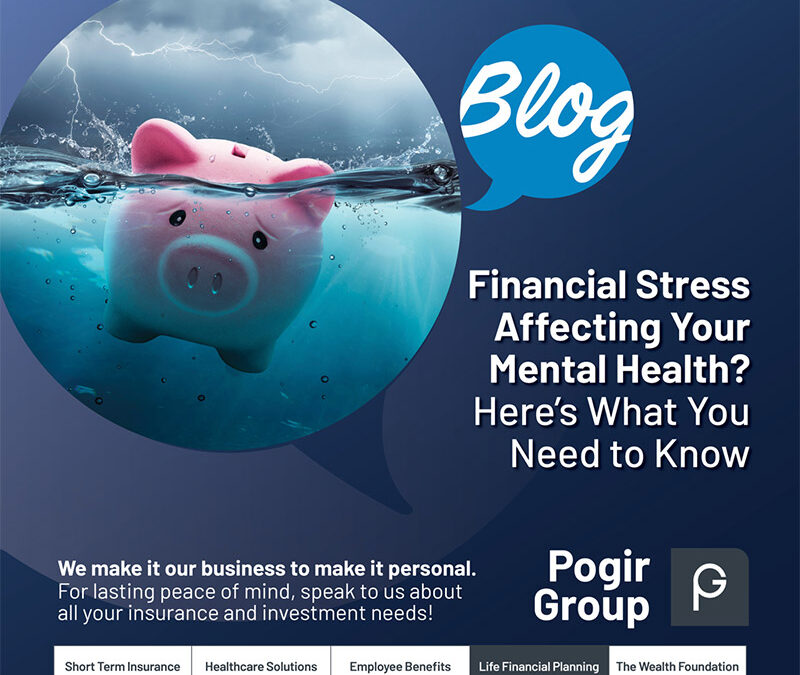
South Africans across the board are feeling the strain of financial stress and the link between money worries and mental health is undeniable. With rising fuel prices, inflation hovering around 7 percent and the increasing cost of living, it’s no wonder households and business owners alike are experiencing heightened pressure.
This World Mental Health Month, it’s the perfect time to shine a spotlight on the often-overlooked connection between finances and wellbeing and how proactive planning can make a tangible difference.
What is Financial Stress?
Financial stress isn’t just worrying about money. It’s a pervasive mental state where you feel increasingly unable to cover expenses, pay debts or save for the future. Your emotional response to financial pressures, whether real or perceived, can take a significant toll on your mental and physical health.
Two common scenarios include:
- Quantifiable financial difficulty where you are struggling to pay bills or maintain your standard of living, a reality for millions of South Africans.
- Perceived financial risk where you worry about potential future challenges even if your current situation is manageable.
Recognising these pressures is the first step toward managing financial stress effectively.
Key Factors That Trigger Financial Stress
Financial stress arises from a combination of personal, societal and economic factors:
1. Economic Conditions
Rising fuel costs, household expenses and slow economic growth can directly impact personal finances. High unemployment, currently around 32 percent, further amplifies stress, leaving many struggling to meet basic needs.
2. Market Instability
Investors face uncertainty in property, stock markets and commodities. Even small shifts in the market can feel overwhelming, particularly for those relying on investments for retirement or business sustainability.
3. Socio-Economic Status and Life Events
Financial stress doesn’t discriminate but certain factors increase vulnerability such as age, gender, income level and education. Life events like starting a family, paying school fees or planning for retirement also compound the pressure.
The Link Between Financial Vulnerability and Mental Health
Studies show that South Africans experiencing financial vulnerability are more likely to report symptoms of anxiety, depression and burnout. The Human Sciences Research Council reports that financial strain is a leading contributor to mental health challenges across all income groups.
This stress creates a cycle: worry affects decision-making which can worsen financial outcomes, leading to more stress. Breaking this cycle often requires expert guidance and support.
Practical Steps to Manage Financial Stress
1. Take Small, Measurable Actions
- Review your current financial position and identify areas for improvement
- Trim unnecessary expenses, from redundant subscriptions to costly service fees
- Consider opportunities to increase income, like side projects or small business ventures
- Seek professional advice for options on insurance, gap cover and financial planning
2. Examine Your Mindset
Ask yourself: is your worry proportionate to the challenge? Reflecting on the difference between real financial risks and imagined anxieties can reduce mental strain.
3. Don’t Tie Your Worth to Your Net Worth
Downsizing or facing financial challenges does not reflect personal failure. Viewing setbacks as part of life’s journey fosters resilience and a healthier approach to money.
4. Ask for Support
Financial stress is not a burden you need to carry alone. Speak to mental health professionals, trusted friends or family and qualified financial advisors for guidance.
5. Prioritise Self-Care
Small daily habits such as exercise, meditation, journaling or hobbies strengthen both mental and physical health. Your wellbeing directly impacts your ability to make sound financial decisions.
How POGIR Supports Financial Wellness
At The POGIR Group, we are committed to helping South Africans navigate both financial and personal challenges. Our services extend beyond traditional life financial planning:
- Short-term insurance to safeguard assets and household stability
- Healthcare solutions for individuals and families including gap cover and medical aid advice
- Employee benefits for businesses looking to protect their workforce
- Wealth management tailored to your long-term goals
Our approach is personal, professional and focused on creating peace of mind.